Poway Valley, from Pauwai to today
The History of Poway
Poway takes its name from Pauwai, the Kumeyaay/Ipai village at "the meeting of little valleys." Mission-era grazing land gave way to nineteenth-century homesteads, hay and grain, then peach, citrus and poultry ranches. Water finally arrived in 1954, subdivisions followed, and residents who wanted to keep the valley's large lots and horse trails eventually incorporated their own city on December 1, 1980 — the "City in the Country" it still calls itself today.
Quick facts
- The name
- From Pauwai
- Kumeyaay/Ipai for roughly "the meeting of the little valleys," describing where the arms of Poway Valley come together.
- Incorporated
- December 1, 1980
- Poway became a city after decades of resisting annexation by San Diego, choosing local control over the valley's rural character instead.
- Water arrives
- Poway Municipal Water District, 1954
- Formed to bring in Colorado River water via the county water authority, ending a century of dry wells and unreliable local supply.
- What built it
- Hay, peaches, citrus, poultry
- Nineteenth-century grain and hay gave way to peach and citrus orchards and poultry ranches, the base economy of Poway Valley for decades.
- Lake Poway
- Reservoir completed 1971
- Built as a domestic water reservoir, it doubled almost immediately as the community's signature park and trailhead.
- Today
- "City in the Country"
- Poway's official identity, protecting large lots, horse trails, ridgelines and open space even as its business park and schools grew.
Nine eras that made Poway
Before 1769
Pauwai: the meeting of the little valleys
Long before any survey line touched the ground, the Kumeyaay/Ipai people lived in Poway Valley in a village called Pauwai — understood to mean something like "the meeting of little valleys," a fitting description of the place where several small canyons and washes gather into one broad valley floor. Families here moved with the seasons between the valley, the surrounding hills and the mountains to the east, gathering acorns, hunting, and tending the landscape with controlled burning much as Kumeyaay communities did across the region. Pauwai gave the modern town its name, worn down over generations of Spanish and English speakers into "Poway." Kumeyaay people and their descendants remain part of the region today, and the valley's original name is the oldest fact in this whole history.
- Village of Pauwai
- Ipai/Kumeyaay homeland
- Name means "meeting of little valleys"
1769–1850s
Mission grazing land
Spanish colonization brought Poway Valley into the orbit of Mission San Diego de Alcalá, which used the grassy valley and surrounding hills as grazing range for mission cattle and horses. There was no town and no permanent non-Native settlement — just seasonal use of open rangeland, threaded by the same footpaths Kumeyaay families had used for centuries. Mexican independence and the secularization of the missions in the 1830s broke up formal mission control of the land, but it stayed rangeland, passing through Mexican-era rancho claims before American annexation of California in 1848 reset who could legally settle it.
- Mission San Diego de Alcalá grazing range
- No permanent settlement
- Rangeland through Mexican era
1850s–1880s
American homesteaders settle the valley
American settlement of Poway Valley began in earnest in the 1850s and picked up through the 1860s and 1870s as homesteaders filed claims on the valley floor and surrounding foothills. These were working farms and ranches rather than a planned town — families broke ground for grain and hay, ran cattle, and slowly built out the roads, wells and small schoolhouses that a scattered farming community needed. A local school district serving Poway Valley families was organized in these decades, among the older school districts in the county, reflecting how quickly homesteading families put down roots even without a formal town center yet.
- 1850s–1870s homesteading
- Grain, hay and cattle
- 19th-century school district roots
1880s–1910s
Hay, grain and peaches build a farm town
By the late nineteenth century Poway Valley had a recognizable identity as a farming community, shipping hay and grain and, increasingly, peaches grown on the valley's warm slopes. A small commercial center grew up along what is now Poway Road, with a general store, blacksmith, and the buildings that would later be preserved as Old Poway Park — including homes built by valley families such as the Nelson House and the Porter House. The rail spur that eventually became the Poway–Midland Railroad connected valley growers to wider markets, and life in Poway settled into the rhythm of a self-sufficient agricultural crossroads, still miles from anything that looked like a city.
- Hay, grain and peach shipping
- Nelson House, Porter House built
- Poway Road commercial crossroads
1900s–1920s
Citrus, poultry and a struggle for water
As the twentieth century opened, Poway Valley diversified into citrus groves and, distinctively, poultry ranching, which became one of the valley's signature enterprises for decades. Growth was constantly checked by water: without a reliable river or aquifer, valley families depended on wells and small local storage that ran short in dry years, and disputes over water rights shaped local politics long before there was a city government to referee them. The 1907 Baldwin steam locomotive that once ran the Poway–Midland Railroad dates from this period of agricultural build-out, hauling produce and freight along the valley before highway trucking took over. Much of what survives at Old Poway Park today, including the building that later became the Hamburger Factory, dates to this working farm-town era.
- Citrus and poultry ranching
- Early water-rights disputes
- 1907 Baldwin steam locomotive
1954–1971
Colorado River water changes everything
The single most consequential infrastructure decision in Poway's history was the 1954 formation of the Poway Municipal Water District, which connected the valley to imported Colorado River water through the San Diego County Water Authority. For the first time, Poway had a water supply that could support more than scattered farms and ranches, and the postwar subdivision boom that reshaped so much of suburban San Diego County finally had a foothold in the valley. The district kept building out its system through the 1950s and 1960s, and in 1971 completed Lake Poway, a reservoir built primarily to store domestic water that almost immediately became the community's best-loved park, with trails climbing toward Mt. Woodson and Iron Mountain.
- Poway Municipal Water District, 1954
- Colorado River water imported
- Lake Poway completed 1971
1950s–1970s
Subdivisions arrive, and residents push back
With reliable water in place, developers began carving Poway Valley's ranches and orchards into subdivisions, and the population grew steadily through the 1960s and 1970s. But Poway residents were unusually organized about the kind of growth they wanted: rather than accept wall-to-wall tract housing, longtime families and newcomers alike pushed to preserve large residential lots, horse-keeping rights and an extensive network of riding and hiking trails that threaded between the new streets. This grassroots insistence on rural character amid suburban growth became the seed of Poway's later civic identity as the "City in the Country," and it shaped zoning fights for decades to come.
- Postwar subdivision growth
- Large-lot and horse-trail advocacy
- Seeds of "City in the Country"
1980
Incorporation after decades of resistance
For years the City of San Diego eyed Poway Valley for annexation, and for years Poway residents resisted, wary of losing local control over the rural character they had just spent a generation defending. That resistance finally crystallized into a campaign for cityhood, and on December 1, 1980 Poway incorporated as an independent city rather than become another San Diego neighborhood. One of the new city's first acts of self-definition was a general plan built explicitly around protecting open space, ridgelines and the equestrian trail network — codifying in law the rural identity residents had already been fighting for informally.
- Incorporated December 1, 1980
- Independence from San Diego annexation
- General plan protects ridgelines & trails
1980s–1999
Jobs, arts and open space protection
The new city moved quickly to build an economic base that would not depend on rooftops alone: the Poway Business Park and the Scripps Poway Parkway corridor drew employers through the 1980s and 1990s, giving Poway a daytime job base distinct from its bedroom-community reputation. Civic life grew alongside it — the Poway Center for the Performing Arts opened in 1990 as the city's cultural anchor, and Poway Unified School District expanded into one of the largest and most regarded districts in San Diego County. At the same time, the city worked to permanently protect the Blue Sky Ecological Reserve in the hills south of town, keeping the promise of the 1980 general plan that growth would not come at the cost of the valley's open space.
- Poway Business Park & Scripps Poway Parkway
- Poway Center for the Performing Arts, 1990
- Blue Sky Ecological Reserve protected
2000s–2020s
Fire, tragedy and a city still finding its balance
Poway's wildland edges, prized for their rural feel, have also brought real danger: the 2003 Cedar Fire and the 2007 Witch Creek Fire both pushed flames to the city's doorstep, forcing large evacuations and leaving a lasting communal memory of smoke on the ridgelines and neighbors helping neighbors get out. On April 27, 2019, a gunman opened fire at Chabad of Poway during Passover services, killing one congregant and wounding others — a tragedy that shook the entire community and drew a response defined by grief, solidarity and resolve rather than division. In the years since, Poway has kept working through the ordinary business of a mature suburb: revitalizing Poway Road, weighing new housing against the "City in the Country" identity, and continuing to invest in the water infrastructure the whole city was built on.
- 2003 Cedar Fire, 2007 Witch Creek Fire
- April 2019 Chabad of Poway shooting
- Poway Road revitalization debates
Lost landmarks
Poway places and eras that were real, mattered, and are gone — or gone as the thing they used to be.
The original wells and unpiped water system
1850s–1954
For a century, Poway Valley families depended on private wells and small local catchments rather than any organized water utility, and dry years could stall growth entirely. The 1954 formation of the Poway Municipal Water District and the arrival of imported Colorado River water made this era obsolete almost overnight. Nothing physical remains to visit, but the fact that Poway grew so late compared to coastal San Diego is a direct legacy of this long water-poor stretch.
The working Poway–Midland Railroad
early 1900s–mid-20th century
The short line that once hauled valley produce and freight, including the 1907 Baldwin steam locomotive, stopped running as a working railroad long ago, replaced by highway trucking. The locomotive itself survives, restored and on display, but the rail line as a functioning piece of the valley's farm economy is gone. It is the clearest physical link between Poway's agricultural past and its present as a historical exhibit.
Open citrus and poultry ranch land
1900s–1960s
The citrus groves and poultry ranches that defined Poway Valley's economy for the first half of the twentieth century have almost entirely given way to subdivisions and the business park. Growers converted parcel by parcel as water and roads improved and land values rose. A handful of place names and the wide, orchard-scaled street grid in older parts of town are the clearest surviving traces.
Unincorporated Poway Valley
1850s–1980
For well over a century, Poway existed without its own city government, first as scattered homesteads and later as a fast-growing unincorporated community under county jurisdiction, with the ongoing threat of annexation by San Diego. That status ended for good on December 1, 1980. It is the political era, more than any single building, that Poway residents fought hardest to end.
Still standing
Poway lost most of its citrus and poultry ranch land to subdivisions, but what survives survives because it is still being used: a reservoir that still supplies water and still draws hikers, a heritage railway that still runs on weekends, a trail network that still carries riders between neighborhoods. Six places you can actually go.
Old Poway Park
buildings from the 1890s–1920s
A cluster of preserved historic structures moved to or restored on one site, including the Nelson House and the Porter House, alongside the building that later housed the Hamburger Factory restaurant. It is the most concentrated physical record of Poway's farm-town era and hosts the weekly farmers market and community events today. Freely open to walk through.
Poway–Midland Railroad's 1907 Baldwin locomotive
built 1907
A restored steam locomotive from the valley's early-1900s agricultural shipping era, now operated on weekends at Old Poway Park as a heritage railway. It is a rare working piece of the equipment that once moved Poway's citrus and produce to market. Rides run on a published schedule.
Lake Poway
completed 1971
Built as a domestic water reservoir for the growing city, Lake Poway quickly became the community's signature outdoor space, with trails leading toward Mt. Woodson and Iron Mountain. It remains both working water infrastructure and the valley's most popular park. Open to the public with posted hours.
Blue Sky Ecological Reserve
protected land
A stretch of oak woodland and chaparral in the hills south of the city, permanently protected from development as part of Poway's long-running commitment to open space. It offers trails, naturalist programs and a direct link back to the landscape the Kumeyaay and early ranchers would have recognized. Open to hikers year-round.
Poway Center for the Performing Arts
opened 1990
The city's cultural anchor since 1990, hosting theater, music and Poway Unified School District performances. It represents the civic maturity Poway built for itself in the decade after incorporation. Open for ticketed performances and events.
Poway's equestrian trail network
developed 1960s–present
An extensive system of horse and hiking trails woven through Poway's neighborhoods, the direct legacy of residents who insisted on keeping riding access as subdivisions arrived. It remains one of the most tangible expressions of the "City in the Country" identity. Open and maintained by the city.
Watch: two long-form histories
Sarah Dempsey
The History of San Diego: From the Kumeyaay to Old Poway, Part 1
A long-form local history starting with the Kumeyaay village of Pauwai and following the valley through Spanish and Mexican land use into the American ranching era.
Sarah Dempsey
The History of San Diego: From the Kumeyaay to Old Poway, Part 2
The second half carries the story into the farm-town decades, the buildings preserved at Old Poway Park, and the growth that led to cityhood.
What Poway looked like a long time ago
CBS 8 San Diego
News 8 Throwback 1993: Profile of Poway in San Diego County
Broadcast footage of Poway in 1993 — barely a decade after incorporation — showing the trails, horse property, and new subdivisions side by side.
Four moments, four clips
Zach Camerino
Roger Mohling and the history of Old Poway Park
A local historian walks through Old Poway Park, the Poway–Midland Railroad, and the preserved buildings that anchor the town's original center.
CBS 8 San Diego
Poway, California building moratorium, 1977
News coverage of the 1970s growth fight — the moratorium debate that shaped Poway's push for cityhood at the end of the decade.
Sidetrack Adventures
The infamous Old Highway 395 bridge in Poway
A field visit to the remnants of Old Highway 395 near Poway, the road that carried traffic through the valley long before I-15.
Sidetrack Adventures
Searching for a forgotten cemetery and 1800s ruins in Poway
An on-the-ground look for traces of Poway's 19th-century settlement, including an overgrown pioneer cemetery and old foundations.
The people who shaped Poway
Poway Valley's homesteading families
The settlers who filed claims across Poway Valley from the 1850s through the 1870s built the roads, wells, farms and small school district that gave the valley its first lasting institutions, decades before there was any thought of a city. Their names remain attached to streets, parks and the historic buildings preserved at Old Poway Park.
The valley's citrus and poultry ranchers
The growers who diversified Poway Valley into citrus and, distinctively, poultry ranching in the early twentieth century kept the local economy afloat through the water-scarce decades before 1954. Their persistence through dry years is a big part of why Poway had an economic base worth defending when annexation pressure arrived.
The 1980 incorporation organizers
The residents and civic leaders who spent years organizing against annexation by San Diego and then built the case for independent cityhood delivered Poway's founding document: incorporation on December 1, 1980, followed quickly by a general plan protecting the valley's open space and rural character.
The Chabad of Poway community
Following the tragic shooting at Chabad of Poway on April 27, 2019, the congregation and the broader Poway community responded with a public, sustained commitment to unity and remembrance that continues to shape how the city talks about itself. Their resilience is part of Poway's story now.
Walk it yourself
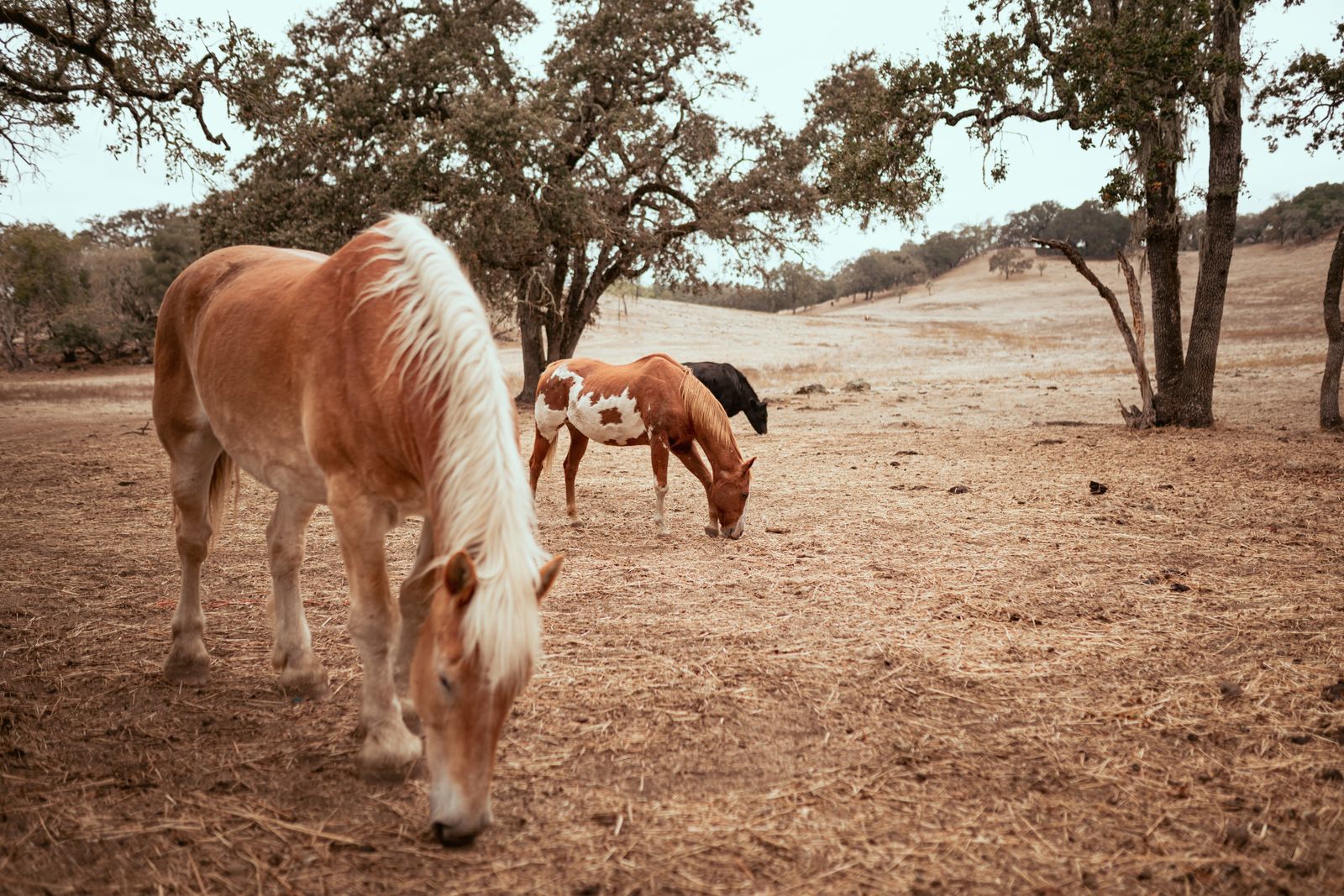
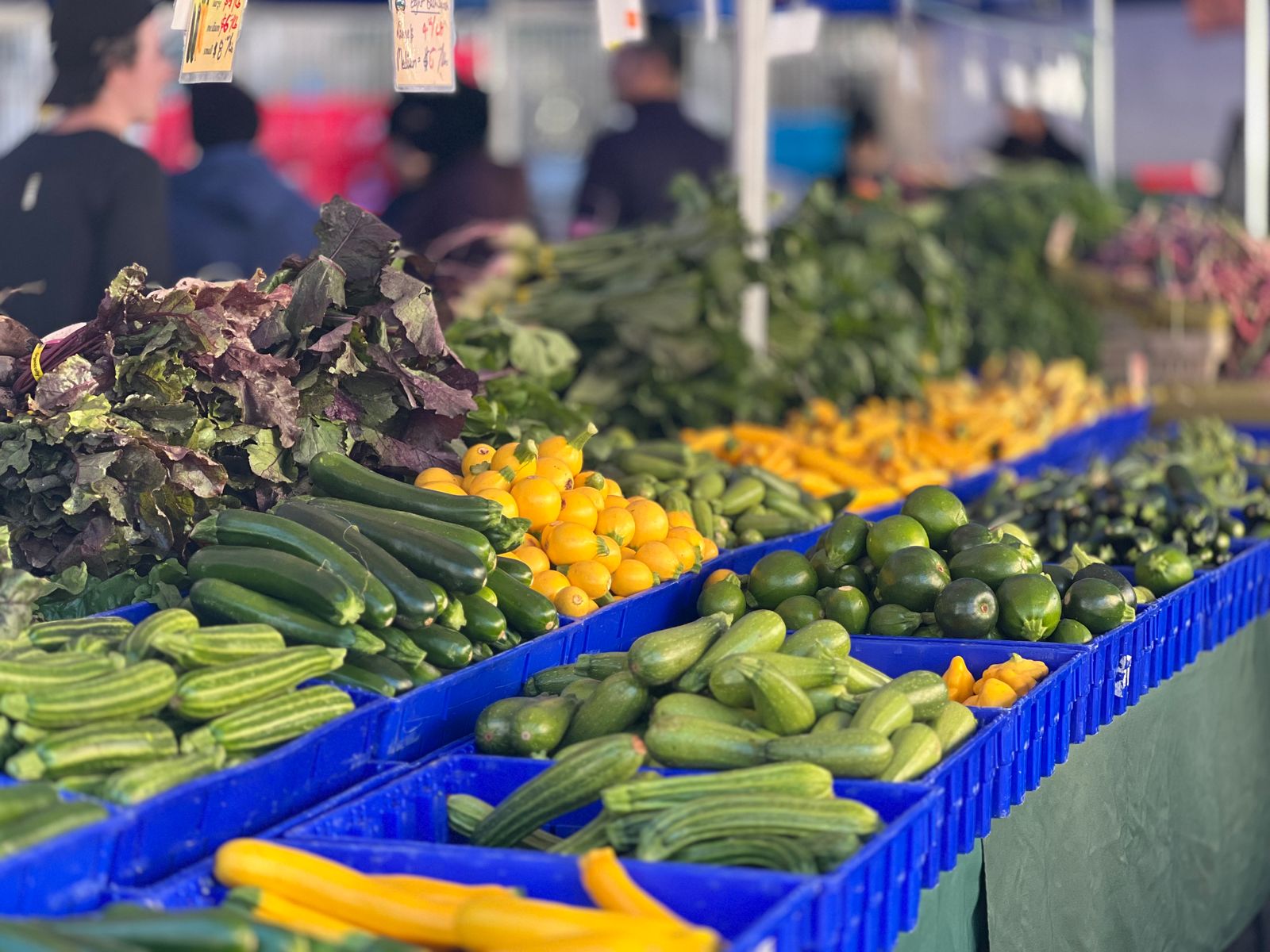
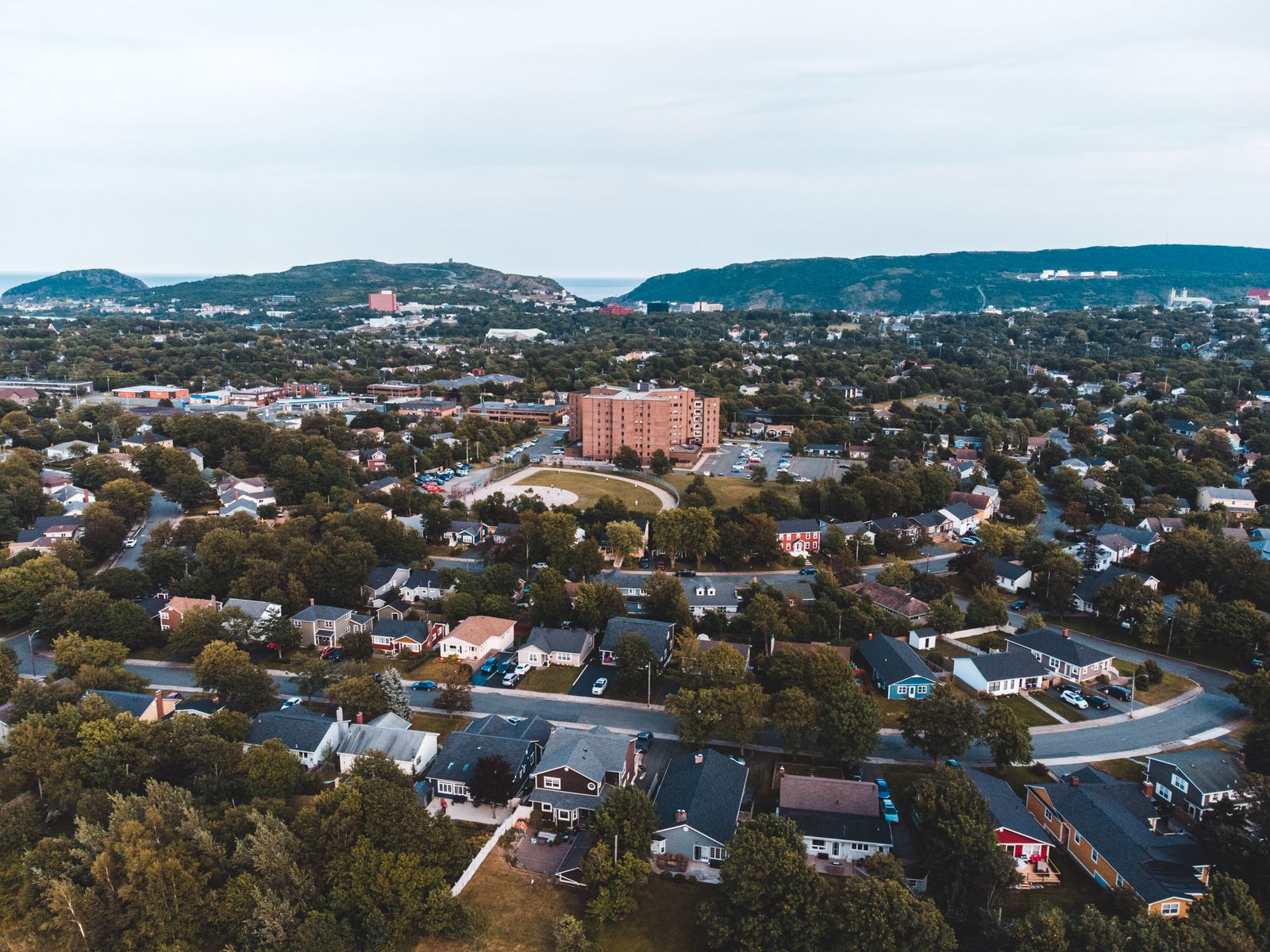
Start where the ranches were: things to do in Poway
Old Poway Park, Lake Poway and the trails that sit on former ranch and reservoir land.
See how incorporation and growth shaped the valley: neighborhood guides
Old Poway, the business park corridor, and the hillside neighborhoods, and what each era built there.
Read the longer local reporting: Poway stories
In-depth guides on eating, moving here and understanding how the city actually works day to day.